Everest Base Camp with Helicopter Return

165 Reviews in TripAdvisor
17 Reviews in Google Reviews
Recommended by 99% of Travelers
Everest Base Camp
Customize Trip

Smiling rows of white peaks welcome you with warmth, while green meadows spread out like a soft resting place, embracing you from the heart. One wonders when you will arrive to experience this heartwarming greeting. Do you know that Mount Everest, which is part of the world's 7 wonders, has a height of 8848 meters? The base camp trek is considered the most adventurous and challenging trek of all. Aren’t you a daring soul ready to embrace this once-in-a-lifetime adventure? Book your trip now and step into the world’s most iconic trek.

Duration
10 Days
Trip Grade
Moderate
Country
Nepal
Maximum Altitude
5,545 m/18,192 ft (Kalapatthar)
Group Size
1 to 20
Starts
Kathmandu
Ends
Kathmandu
Activities
Trekking
Best Time
Spring (March - May) Autumn(September - November)

Highlights of Everest Base Camp with Helicopter Return

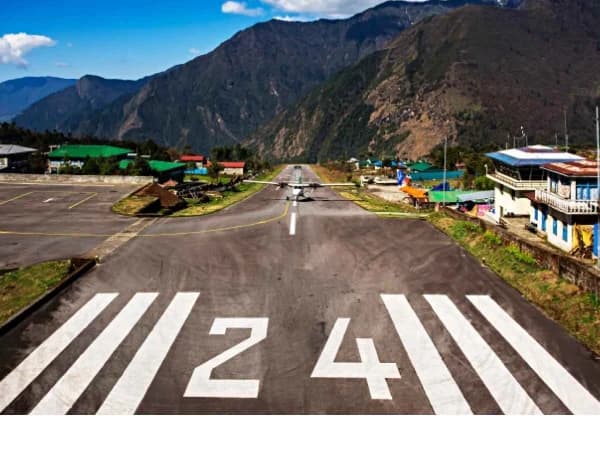
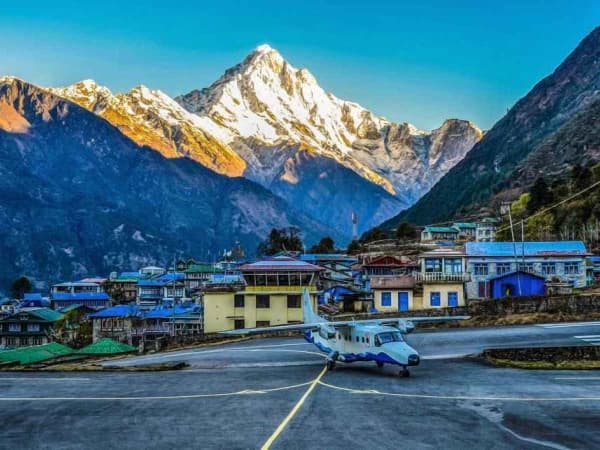
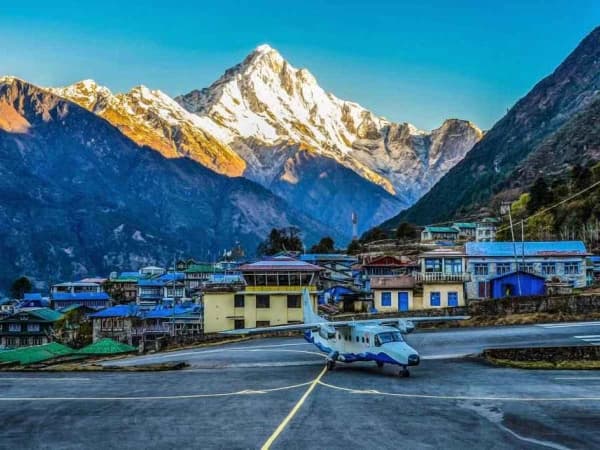
  • Experience the thrill of landing at Lukla - Tenzing Hillary Airport, known as the most dangerous airport in the world.
  • Explore Namche Bazar, the vibrant heart of the Khumbu region
  • Walk through the untouched wilderness of the Sagarmatha National Park
  • Visit the sacred and historic Tengboche Monastery, the spiritual soul of the Everest Region
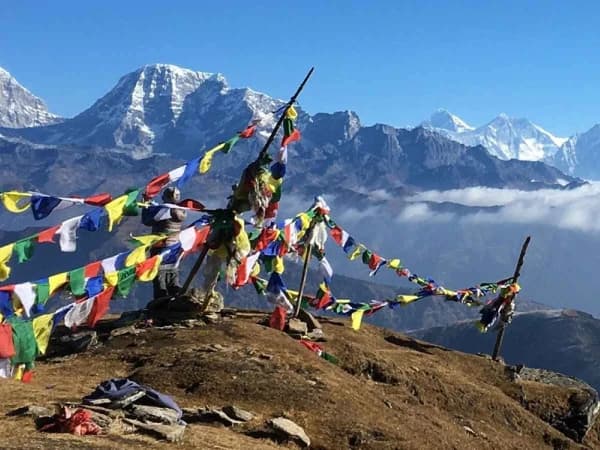
  • Witness surreal panoramic views of iconic peaks such as Nuptse, Lhotse, Lhotse Middle peak, Makalu, Baruntse, and Ama Dablam.
  • Immerse yourself in the warm hospitality, traditions, and colorful culture of the Sherpa Community.
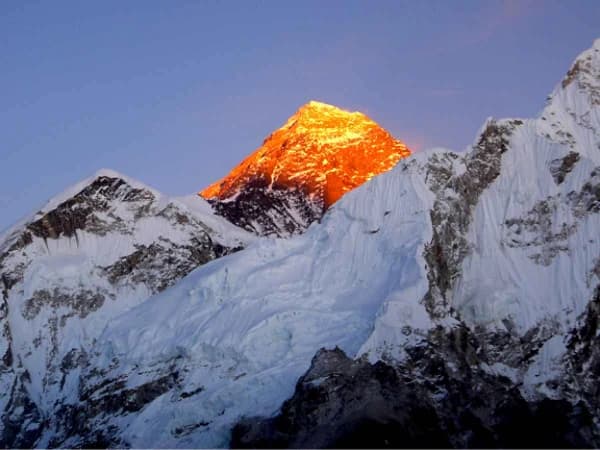
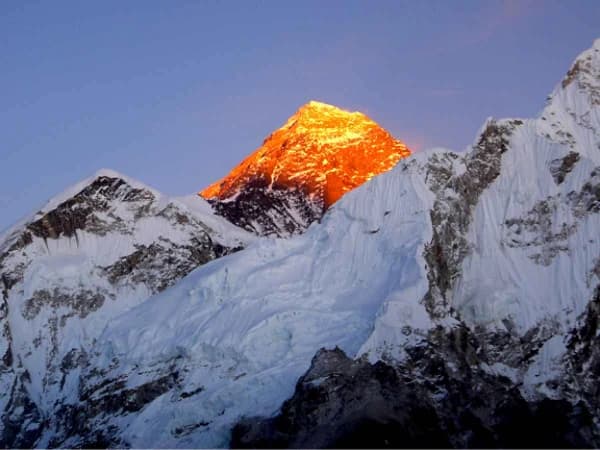
  • Stand proudly at the base of Mount Everest (8848 m/29,021 ft) - the tallest mountain in the world.
  • Enjoy breathtaking mountain views from Everest Base Camp
  • Witness an unforgettable sunrise view from Kalapathar


Overview of Everest Base Camp with Helicopter Return

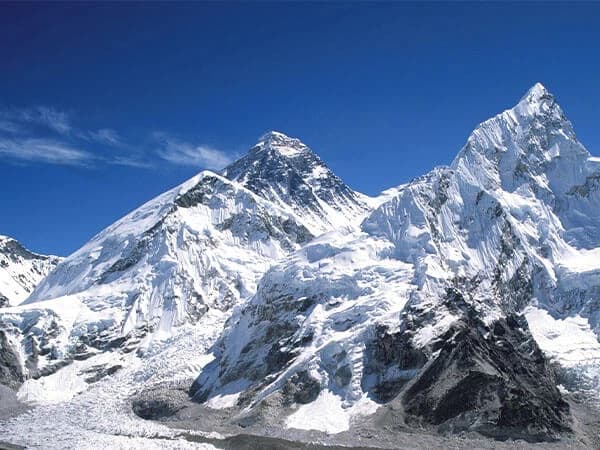
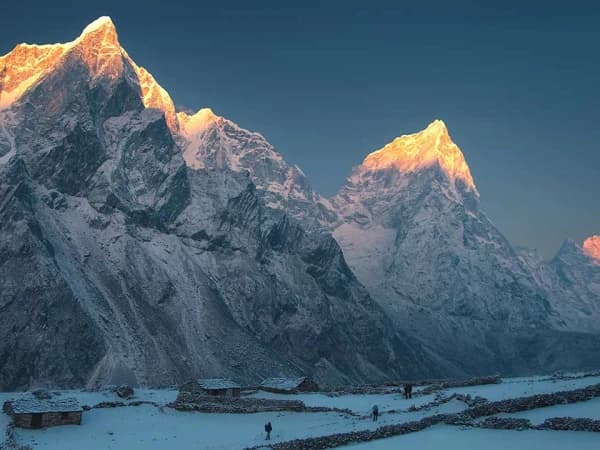
In trekking plans worldwide, the Everest Base Camp Trek probably ranks among the highest. On the way, it's possible to see Mount Everest (8,848 m) and Lhotse, Nuptse, Ama Dablam, and Thamserku, offering cool views.

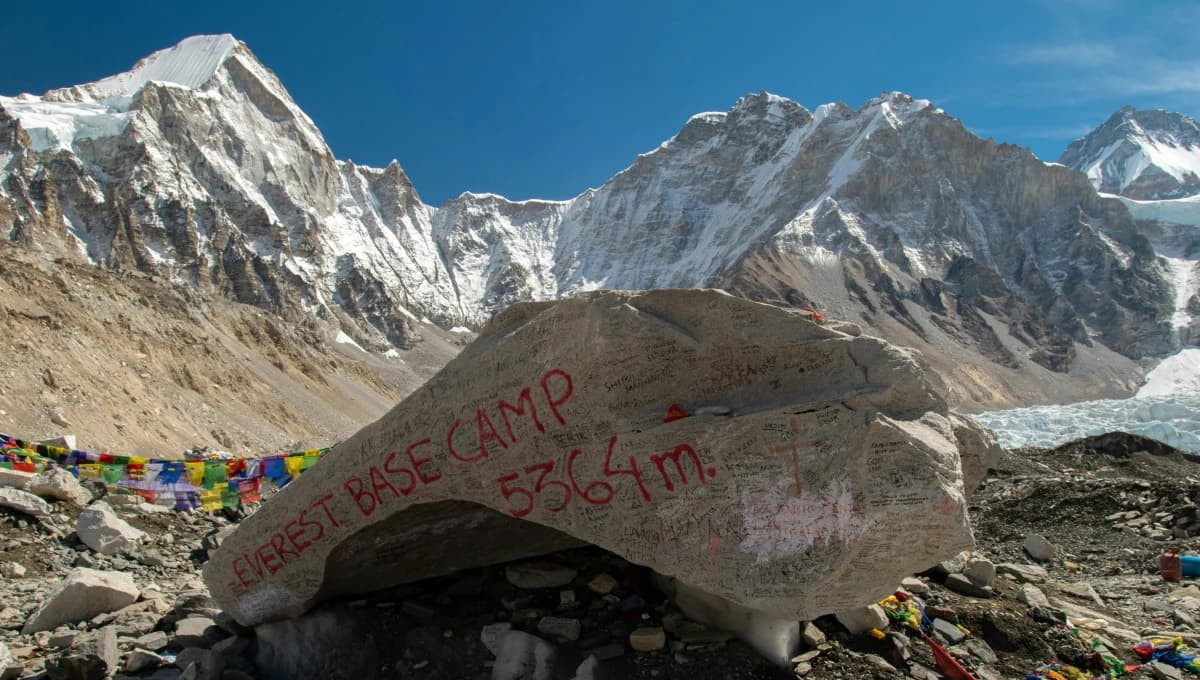
After a thrilling flight into Lukla's Tenzing-Hillary Airport, the hike commences for 10 days through riverside forests with high suspension bridges and the bright Sherpa capital, Namche Bazaar. On the way, you visit Tengboche Monastery, capturing the religious spirit, and pass through enchanting villages such as Dingboche and Lobuche en route to Everest Base Camp (5,364m).

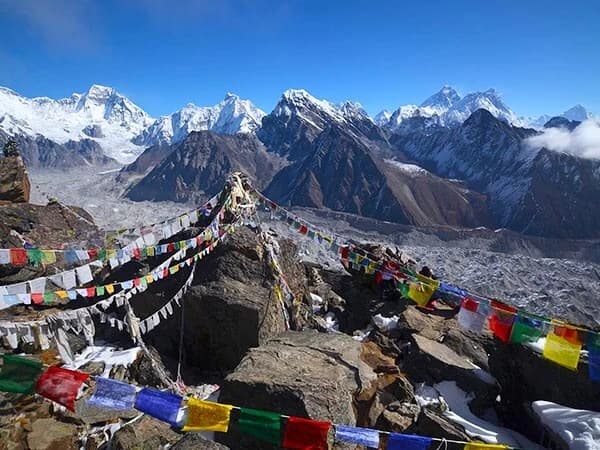
The greatest moment during the trip is the ascent to Kalapathar (5,545m) for a breathtaking dawn view of Mount Everest. But quite apart from the stunning sights, one becomes enmeshed in the true colors of Sherpa culture: its hospitable legends that have persistently been maintained over time by deep-rooted traditions. Well, you will fly back to Kathmandu by helicopter after delighting your eyes at Kalapatthar’s glamorous sights.
Everest Base Camp with Helicopter Return Day-to-day Itinerary
Day 01: Fly to Lukla from Kathmandu, Trek to Phakding
  • Max Altitude: Lukla (2,840 m/ 9,317 ft)
  • Distance: 6.2 km
  • Duration: 30 min (flight), 3 to 4 hours (trek)
Day 02: Trek from Phakding to Namche Bazaar
  • Max Altitude: Namche Bazaar (3,440 m/ 11,286 ft)
  • Distance: 7.4 km
  • Duration: 5 to 6 hours
Day 03: Acclimatization on Namche Bazaar, Hike to Hotel Everest View
  • Max Altitude: Hotel Everest View (3,880 m/ 12,730 ft)
  • Distance: 2 - 3 km
  • Duration: 4 to 5 hours
Day 04: Trek from Namche Bazaar to Tengboche
  • Max Altitude: Tengboche (3,860 m/ 12,664 ft)
  • Distance: 9 - 9.5 km
  • Duration: 5 to 6 hours
Day 05: Trek to Dingboche from Tengboche
  • Max Altitude: Dingboche (4,410 m/ 14,468 ft)
  • Distance: 9 km
  • Duration: 5 to 6 hours
Day 06: Acclimatization at Dingboche
  • Max Altitude: Nangkartshang Peak (5,083 m/ 16,675 ft)
  • Distance: 2 -3 km
  • Duration: 5 to 6 hours
Day 07: Trek from Dingboche to Lobuche
  • Max Altitude: Lobuche (4,910 m/ 16,108 ft)
  • Distance: 8 km
  • Duration: 4 to 5 hours
Day 08: Lobuche to Gorakshep, Hike to Everest Base Camp
  • Max Altitude: Everest Base Camp (5,364 m/ 17,598 ft)
  • Distance: 4 km + 3.5 km
  • Duration: 7 to 8 hours
Day 09: Hike from Gorakshep to Kalapatthar
  • Max Altitude: Kalapatthar (5,545 m/ 18,192 ft)
  • Distance: 1.5 km
  • Duration: 2.5 hours
Day 10: Back to Kathmandu from Kalapatthar by helicopter
  • Max Altitude: Kathmandu (1,310 m/ 4,297 ft)
  • Duration: 1 hour
Detailed Itinerary
Kathmandu to KathmanduExpand all
Cost Details
Includes
  • Airfare from Kathmandu to Lukla
  • Helicopter flight from Kalapathhar to Kathmandu
  • Accommodation at Lodge/ Teahouses during the Trek (Twin-sharing)
  • Meals on Full Board during the Trek (Breakfast - Lunch - Dinner)
  • Experienced and Licensed Local Trekking Guide
  • All necessary permits and paperwork
  • Medical kit for the safety of the trekkers (carried by your Trekking Guide)
  • Duffel Bag, Seasonal Sleeping bags, Trekking Sticks, and Trekking Map (Sleeping bags and sticks should be returned after the trek)
  • Porters for trekkers’ luggage (if required), one porter for 2 people, maximum weight up to 16 kg for a porter.
  • Farewell Dinner
  • Certification Completion (If required)
Excludes
  • International Airfare, Nepal Visa Fee (make sure to carry at least two passport-size photos)
  • Travel & Health Insurance (Helicopter Rescue ride in case of emergency) or any kind of insurance-related things.
  • Excess baggage charges
  • Personal Expenses (shopping, snacks, water bottles, soft drinks, souvenirs, hot water, electricity, Laundry, and others)
  • Other extra costs are caused by various uncertainties like landslides, weather conditions, illness, change in governmental policy, etc.
  • Extra night for accommodation due to any reason other than the scheduled itinerary
  • Tips for Guide and Potter (expected)
  • Any other cost, which is not mentioned in the cost, includes items above
Route Map
Everest Base Camp Trek with Helicopter return route map
Altitude Chart
Everest Base Camp Trek with Helicopter return altitude chart
Dates & Availability

Trekking to Everest Base Camp is more than reaching a destination — it’s about discovery, connection, and adventure. With Walk Mountain, experience the Himalayas up close, meet inspiring Sherpa communities, and prepare for an unforgettable journey ahead.

Personalized Experience: Whether trekking solo, with friends, or as part of a small group, our approach is flexible and focused on your comfort. We understand that every traveler has their own pace and preferences, and we’re here to accommodate that.

Local Insights: Our guides are more than just leaders; they are storytellers who share insights about the mountains, culture, and traditions. You'll not only see the beauty of the region but truly understand it through the eyes of those who call it home.

Responsible Trekking: We prioritize sustainable practices, from waste management on the trail to supporting local communities. Your journey contributes to preserving the environment and empowering the people of the region.

Genuine Connections: Trekking is about more than just landscapes; it’s about the people you meet along the way. Our small group sizes allow for meaningful interactions with locals and fellow travelers alike.

Final Tips

  • Respect local customs and be mindful of the environment.
  • Prepare physically and mentally for high-altitude trekking.
  • Carry essential items like your passport, passport-sized photos, travel insurance documents, and personal gear.

We’re committed to making your trek with Walk Mountain an unforgettable adventure. Join us as we embark on an incredible journey to the heart of the Himalayas, with guaranteed Everest Base Camp trek dates to fit your schedule!

Essential Information

What is the Everest Base Camp Trek Helicopter Return?

Everest Base Camp Trek with Helicopter Return is an elite trekking program meant to match the traditional trekking up to Everest Base Camp, along with flying back by helicopter post success. Following that, the trek goes all the way to Everest Base Camp (5,364 m) and often Kalapatthar (5,545 m) for the best views of Mt. Everest, then you're picked up by helicopter for a scenic return flight to Kathmandu. Save time, cut down physical exertion, and enjoy an unforgettable aerial view of the Khumbu Valley, glaciers, and Himalayan peaks, just before you reach Lukla or Kathmandu.

What level of physical fitness is required for this trek?

While trekking towards Everest Base Camp, one must have a good fitness level and cardiovascular ability. To make the trail experience even more memorable, try preparing the body beforehand. Ideally, start training about 3 to 6 months before most treks. Concentrate on your choice of aerobic exercise, whether running, riding, swimming, or even simple stair climbing, for 4 to 5 days per week for about 30 to 60 minutes. This builds up the endurance required for long, arduous, uphill climbing days on the trek.

How does the helicopter return save trekking days compared to the standard EBC trek?

Returning from Everest Base Camp by helicopter spares 2 or 3 days of walking downhill since it does not require retracing the same trail back to Lukla. In regular treks, this return journey takes several days, traversing Pheriche, Namche Bazaar, and finally Lukla to fly to Kathmandu. The helicopter takes you straight to Kathmandu and gives you an aerial view of the trek you just performed. With this option, you are saving not only time and energy but also the unpredictable scenic flight benefits of weather-based flights from Lukla. Moreover, you'll get to enjoy mesmerizing views of Everest, Lhotse, Ama Dablam, and the Khumbu Valley from the helicopter-this is the icing on the cake!

Do we still trek all the way to Everest Base Camp and Kalapatthar before returning?

Yes, this whole package with the helicopter return still gets you trekking all the way to Everest Base Camp at 5,364 m with some usually hiking up to Kala Patthar at 5,545 m to catch the best sunrise view of Everest. The helicopter is there only for the return, so you enjoy a full trekking experience on the way up and then a quick scenic flight over the awe-inspiring landscape as opposed to a few days of walking back downhill.

How many people can fly in one helicopter?

The type of standard helicopter, which is commonly used in the Everest region, can usually fly with four to five passengers in addition to a pilot, depending on the weight and altitude. Since flying at higher elevations like Kalapatthar has stricter weight limits and therefore might require splitting the group into two flights for safety.

Everest Base Camp with Helicopter Return Equipment Lists
Head
  • Sun Hat or Cap
  • Scarf
  • Light balaclava
  • Warm fleece hat
  • Sunglasses with UV protection
Upper Body
  • T-shirts (Long sleeve/Short sleeve)
  • Thermal Base Layer (for cold regions)
  • Fleece jacket or pullover
  • Waterproof, windproof shell jacket
  • Down vest and/or jacket
Hands
  • Soft Lightweight gloves
  • Hard Shell outer gloves (for harsh conditions)
Lower Body
  • Lightweight cotton long pants
  • Insulated pants (for colder conditions)
  • Thermal trousers/leggings
  • Hiking shorts/ pants (convertible)
  • Fleece or wool pants (seasonal)
  • Waterproof/ Quick drying pants
Feet
  • Thin, lightweight inner socks
  • Thick, warm technical hiking socks
  • Hiking boots with spare laces
  • Gaiters 
  • Camp shoes
Toiletries and Personal Items
  • Sunscreen with high SPF
  • Lip Balm with High SPF
  • Toilet Paper/ Wet wipes
  • 1 medium sized quick drying towel
  • Tooth brush/paste (preferably biodegradable)
  • Multipurpose soap (preferably biodegradable)
  • Deodorants
  • Nail clippers
  • Face and body moisturizer
  • Feminine hygiene products
  • Small mirror
General Gears and Equipment
  • Sleeping bag rated to 00 F (provided by Company)
  • Headlamp with spare bulbs and batteries
  • Trekking Bags/Duffel bag(provided by the company)
  • Trekking Poles Crampsons /Micro spikes
  • Large plastic bags - for keeping items dry inside the trek bag
  • Water bottles (insulated for cold weather)
Medications and Personal Necessities
  • Basic First Aid Kit
  • Diamox (for Altitude Sickness)
  • Water purification pills
Snacks and Other Extra Items
  • Energy bars, chocolates, and nuts
  • Camera (extra memory card and batteries) / Smart phone
  • Power bank (solar power options are great)
  • Pocket knife or multi-tool
  • A few passport-size photos and a photocopy of the passport (in case necessary)
Everest Base Camp with Helicopter Return FAQs

The trekkers without preparations are at risk of Altitude Sickness. Acute Mountain Sickness (AMS) is heavily characterized by headaches, dizziness, nausea, and shortness of breath, accompanied by sleeping difficulties, and manifests itself during the Everest Base Camp trek. If left untreated, it can manifest very serious symptoms like an obstruction in the path, swelling, or confusion, which will require urgent medical evacuation. Preventative measures against AMS include gradual acclimatization, adequate fluid intake, and avoidance of alcohol.

Yes, you can customize the itinerary as per your requirements. Our team is always ready to prioritize and customize to your requirements.

In any case of illness or injury during the trek to Everest Base Camp, our trained guides provide first aid, assess symptoms, and watch over serious cases like altitude sickness. Evacuation by helicopter will be organized if serious cases need to be taken down to lower altitudes or hospitals nearby. Minor cases can walk down with porter support. Reliable communication through satellite phones directly with hospitals in Namche Bazaar, Lukla, and Kathmandu can guarantee quick medical assistance. Traveling with an experienced trekking team, together with comprehensive travel insurance, ensures safety and peace of mind all the way on the trek

Although trekking to Everest Base Camp is possible alone, it is advisable to go with an experienced guide or trekking agency. Solo trekking involves risks of altitude sickness, harsh weather conditions, and having little support for emergencies, whereas a guide would take care of a range of issues, including safety and acclimatization support, logistics, while making it a safe and enjoyable experience.

Well, it is. Everest Base Camp trek helicopter back is feasible for reasonably healthy and fit individuals. Trekking is possible to reach EBC and Kala Patthar, but not the torturous downhill return. Less fatigue and fewer trekking days, with guidelines from experienced guides who ensure their safety and comfort, will be included.

Once you reach Kala Patthar, instead of retracing the long trail, you will get to take a once-in-a-lifetime scenic helicopter flight back. This helicopter ride gives you stunning aerial views of the Himalayan panorama.

The Everest Base Camp Trek with helicopter return takes 10 days and is more convenient and faster than round-trip. When trekking to Everest Base Camp and Kalapatthar on foot, you can enjoy the best views of Mount Everest. It cuts the long retracing trail back for you with a scenic helicopter return to Kathmandu while giving you aerial views of the Himalayas.

The best time to do the Everest Base Camp Trek with a helicopter return is during the spring (March to May) and autumn (September to November) seasons. These are clear-day months, stable weather, and the best mountain views, which is the best season for trekking and also for helicopter flights. In spring, blooming rhododendrons and vibrant landscapes materialized, while the crispness of the air and the clearest visibility of Everest and the surrounding peaks marked off autumn.

Winter can also be okay: December to February - for those who prefer fewer crowds, but the temperatures are much lower. Summer or monsoon (June to August) is the most unfavorable because of heavy rain, poor visibility, and disruption in flights.

You May Also Like
Everest Base Camp
12 Days
12
3 reviews
Price From
US$1310US$1430
Best Seller
EBC
8 Days
12
Price From
US$1410US$1500
Best Seller
EBC from Gokyo Ri
15 Days
12
Price From
US$1400US$1500
Beyond the usual EBC
Need Help? Call Us+9779851065420